All our latest projects, news and musings
JW Lees | Vision Film & Book
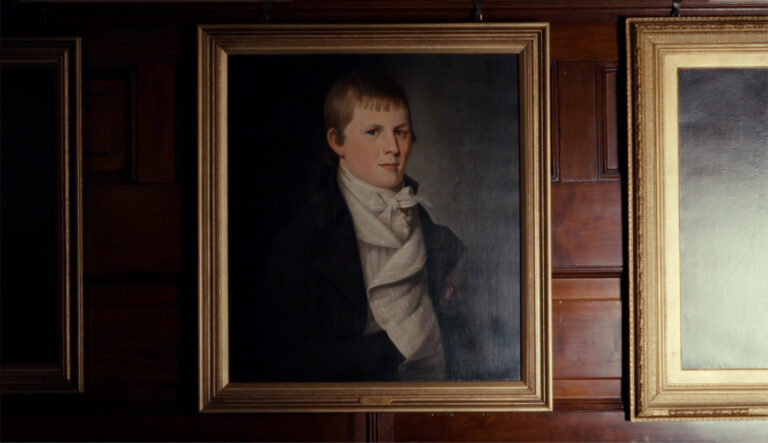
Breweries are built on tradition. And few carry it quite like JW Lees. But great breweries don’t just look back – they brew forward. In 2017 we had worked with JW Lees to create a brand vision, which we communicated through a film. That vision proved so successful that it led to a transformation of the brand. In fact, everything changed so much that the film started to look dated. So, in 2024, we worked with JW Lees to create a new vision film and book.
Vestey Holdings | Brand Film
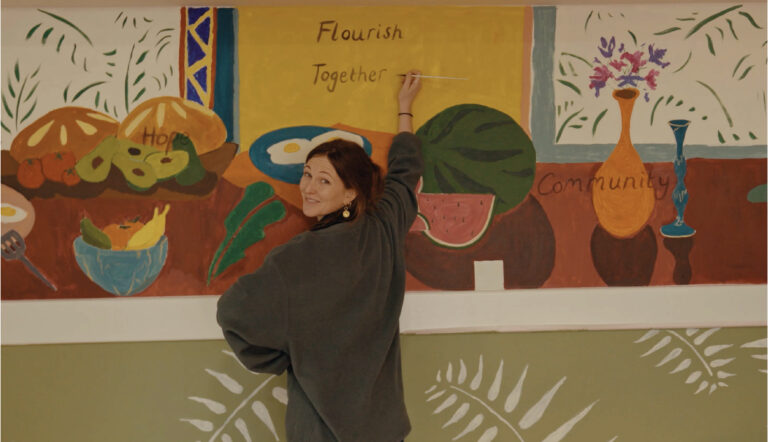
Naturally, family businesses look back to those who came before. The foundations of Vestey Holdings date back to the 1890s. But it’s just as important that family businesses look forward, too. In 2017 we helped Vestey Holdings articulate and communicate its purpose. Come 2025, and keen to keep building for the future, Vestey Holdings wanted a new film.
YPO Gold | Northern Grit
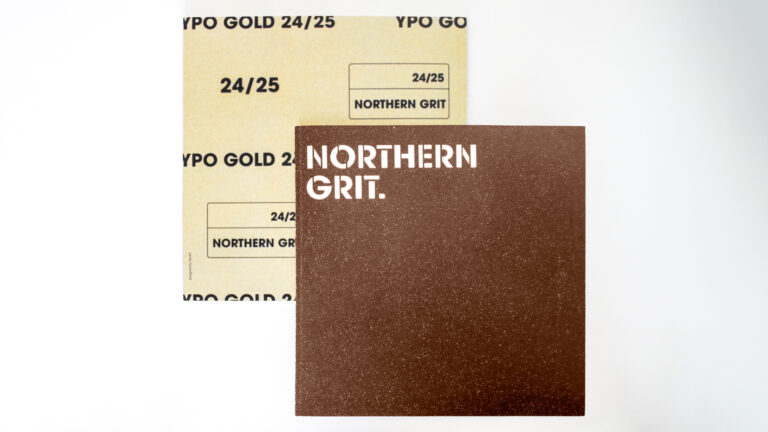
YPO is a global leadership community of over 35,000 chief executives. It is structured around chapters where local members come together for bespoke learning, social events and shared experiences in the same geographic area. Each year, a different member takes on the role of chairing the year’s calendar of events and produces a programme.
Christmas 2023
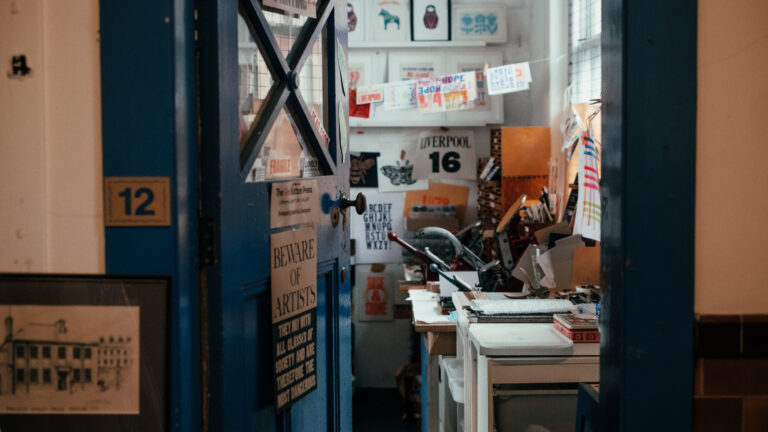
2023 is the year AI has cemented itself into our lives at pace. At work, we’ve embraced it in various ways, using it in everything from research and storyboarding to illustration and film production. It’s sped up and improved our work. But AI also has limitations.
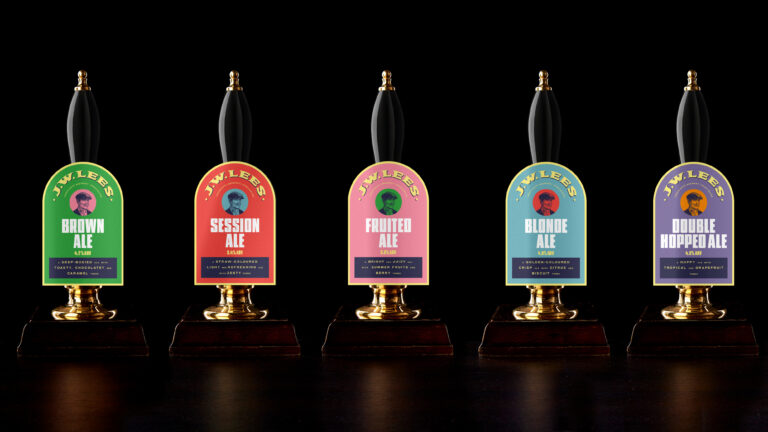
JW Lees | Seasonals 2024
Brewer JW Lees launches a limited edition range of beers yearly to create something different to its core range of ales and lagers. Five interesting new beers hit the bar for just two months each, so the beer and the designs must excite and inspire customers to add something new to their drinking repertoire.
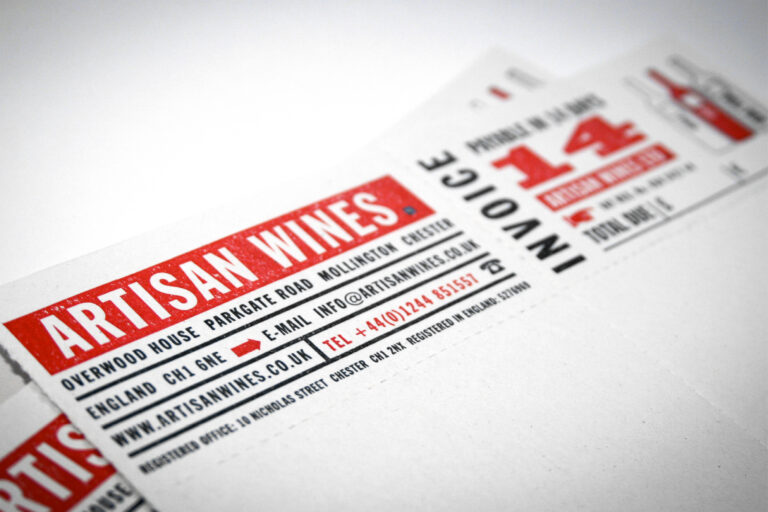
Artisan Wines | Brand Identity
Artisan Wines has a simple approach: authentic French wines produced by small, passionate producers, delivered with insightful tasting notes to customers’ doors.
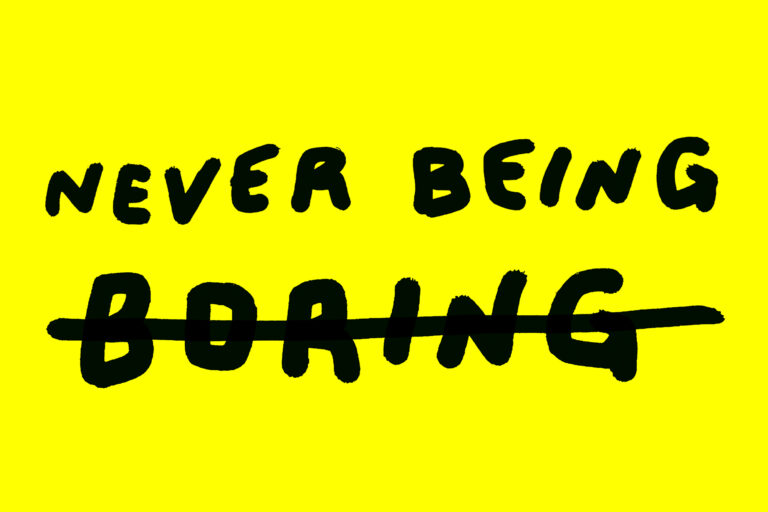
Insight | Never Being Boring
Most people in the real world aren’t that bothered about brands. They’re too busy doing what interests them. To quote legendary ad man Howard Gossage: “Nobody reads advertising. People read what interests them, and sometimes it’s an ad.” And it can be said of design, too. It’s a sobering thought. We must unearth ways of being part of what people find genuinely interesting.
BBF | Brand Identity
BBF is one of the leading own-label manufacturers of cakes and chilled desserts, supplying retailers across the UK and European market. The business was formerly Bright Blue Foods and around 2015 had experienced some significant service issues that damaged its reputation.
Half Dozen Other | Brand Identity
We’d previously helped coffee, brunch and breakfast restaurant Pot Kettle Black kickstart their expansion plans. It gave the business new impetus and catalysed new sites and innovation, resulting in the birth of a sibling business.
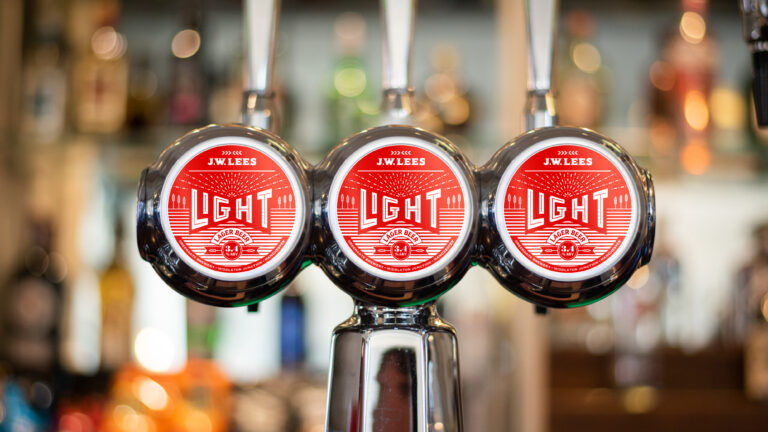
JW Lees | Light Beer
Government changes to beer duty in August 2023 created an opportunity for JW Lees to develop a new lower-alcohol lager. The challenge was to achieve standout in a competitive environment. Still, we also needed to fit in, creating a design that would slot into JW Lees’ lager story alongside their existing Original and Manchester Craft brands.


